

Health & Safety
Si necesita ayuda en español, por favor llame a nuestra oficina.
Medical Dome & Staff
Our Medical Dome is centrally located in Camp, and there is at least one trained or certified Medical Staff (RN, Nurse Practitioner, or MD) on site 24-hours a day while camp is in session.
The Medical Dome provides routine health and wellness services, including access to sunscreen, Band-Aids, Vaseline, Q-tips, etc. for campers to provide their own self-care.
The Medical Staff dispense prescribed and over-the-counter medications according to the instructions that are on the medication bottle.
We do not provide medical treatments or perform medical procedures at Camp. When necessary, we transport campers to the local clinic or dentist, to the hospital or ER – all in consultation with camper caregivers.
Emergencies and Preparedness
If it becomes necessary to take your child to the local clinic or hospital, we use the contact information you provided to us to contact you and follow your wishes for the care of your child. (In the event of a medical emergency, our priority will be to ensure your child receives immediate care, and we will contact you as soon as possible.) We are located approximately 6 miles from the Long Valley Health Center (our local health clinic) and 30 miles from the closest emergency room, which is in Willits. If necessary, emergency care may be provided by ambulance-based crews in our area.
Like so many summer camps, our location can make us susceptible to natural hazards, including summer heat, wildfires, smoky air, earthquakes, and others. We know these risks and have developed policies and procedures—in partnership with emergency responders and agencies in our area—to prepare for them. We review our policies each year, update them as needed, and train our staff on them. We are also part of North County Community Organizations Active in Disasters, which organizes local residents and organizations in disaster preparedness. See the sections below for more information.
Wildfire
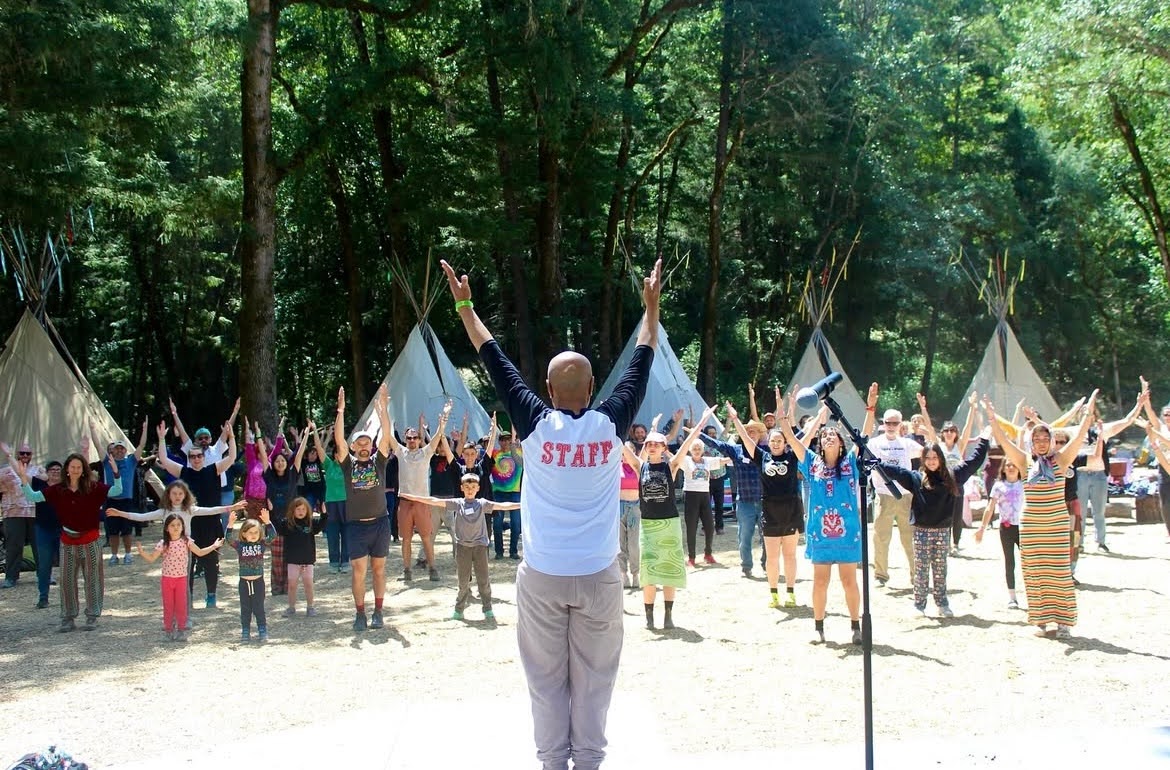
We work closely with local fire agencies to review and update our emergency fire policies each year, and our connections to those agencies and the people at each of them are an important part of what keeps us safe. Our facility is inspected by the Long Valley Fire Protection District prior to the start of our season, and we train staff on wildfire protocols at the beginning of each summer (with a review at the beginning of each session). We also conduct a fire drill at the beginning of each session with both campers and staff. In the event of a nearby fire, we have made arrangements to use local school district buses to evacuate, and in the event of imminent danger, we are prepared to evacuate using staff vehicles. We use real-time monitoring tools and communication with local fire authorities to stay aware of potential wildfire threats.
Smoky Air
An air monitor on the property allows us to assess air quality at Camp in real time. We use readings from that monitor to follow our AQI (air quality index) protocols, which were developed using trusted public health information and which may involve modification of program and activities, distribution of masks, close monitoring of campers with cardiovascular and pulmonary conditions, and even temporary closure of Camp. If we deploy AQI protocols, we notify families as soon as possible and provide updates until conditions resolve.
Summer Heat
It can get very hot in Mendocino County during the summer. We are inland from the coast, and it’s not uncommon for temperatures in Laytonville to rise above 100 degrees during the day. When temperatures rise, we implement a number of safety measures. Those measures may include: increased time at the lake and in the creek, additional reminders about hydration, access to electrolytes, modifying our program or activities, putting up misting and water-play stations, and more.
Earthquakes
Mendocino County experiences earthquakes. We have developed a three-part protocol that helps us to be as prepared as possible before, during, and after an earthquake. Before our summer starts, we complete a preparedness checklist. We also train staff and campers on what to do during an earthquake. And we have a plan in place about assessing our surroundings for safety after an earthquake and evacuating if necessary.
Safety & Mental Health
We are proud to offer focused safety strategies for campers’ physical and mental well-being.
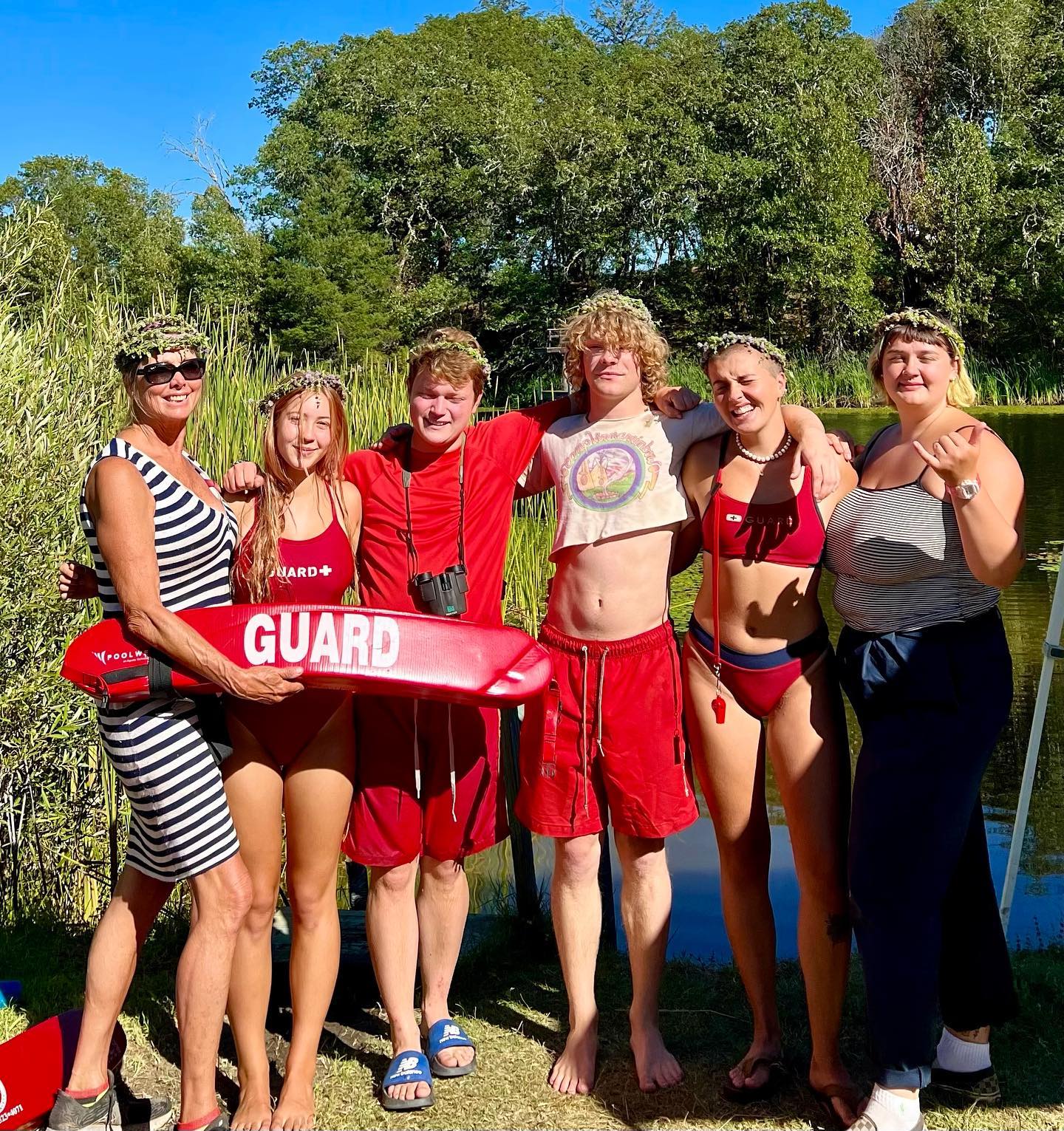
The vast majority of our counselors and staff are certified in first aid and CPR. There are first-aid kits in each tipi, in the Medical Dome, and in other key areas of Camp. All of our circus skills instructors are experienced in teaching skills to children and employ appropriate and certified safety techniques. Staff are trained to keep all Campers safe during emergencies, and CWR’s emergency plans are updated annually. Our lake has a Waterfront Director and certified lifeguards on duty whenever the lake is open. Camp Administrators attend local emergency preparedness meetings to coordinate plans with local authorities.
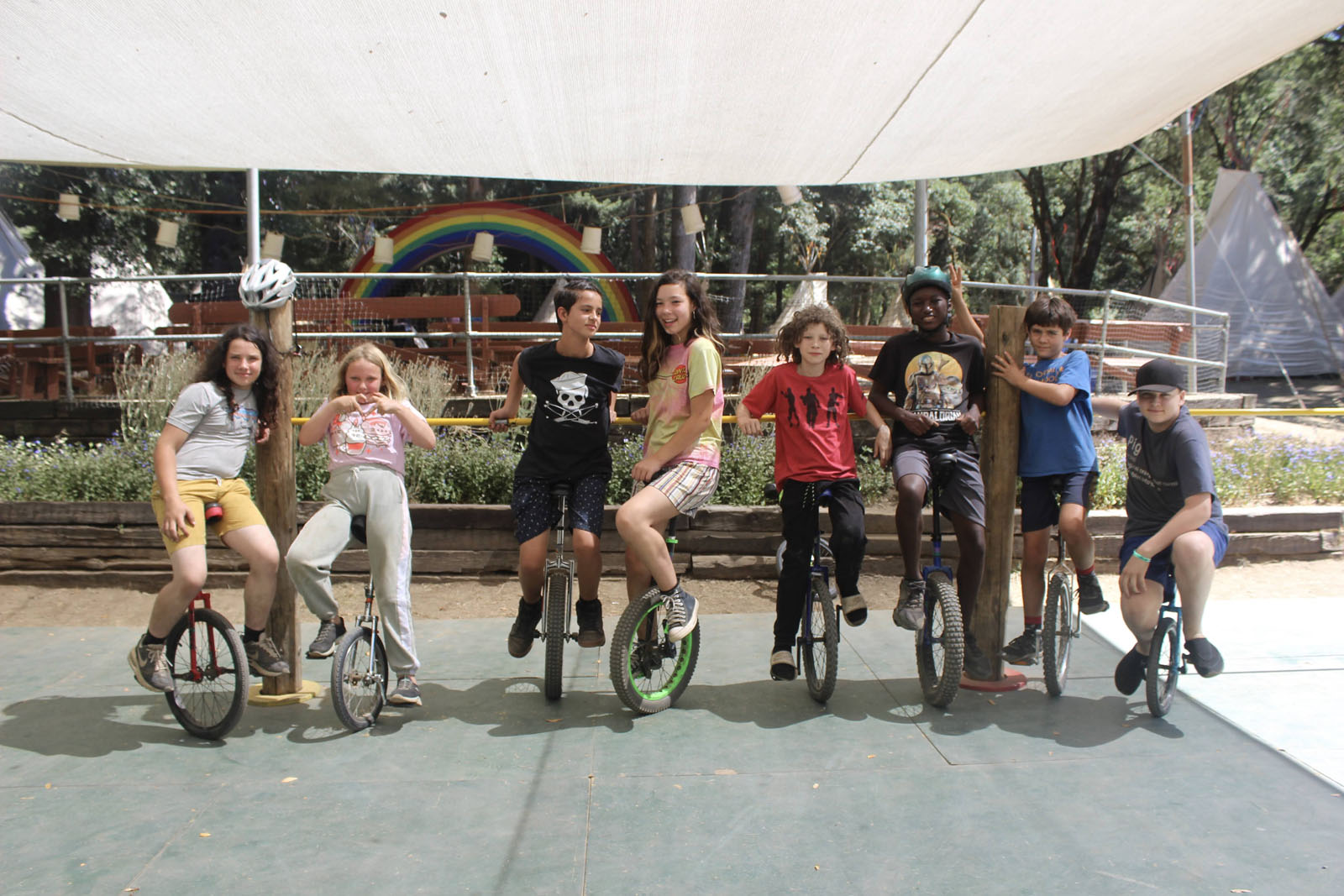
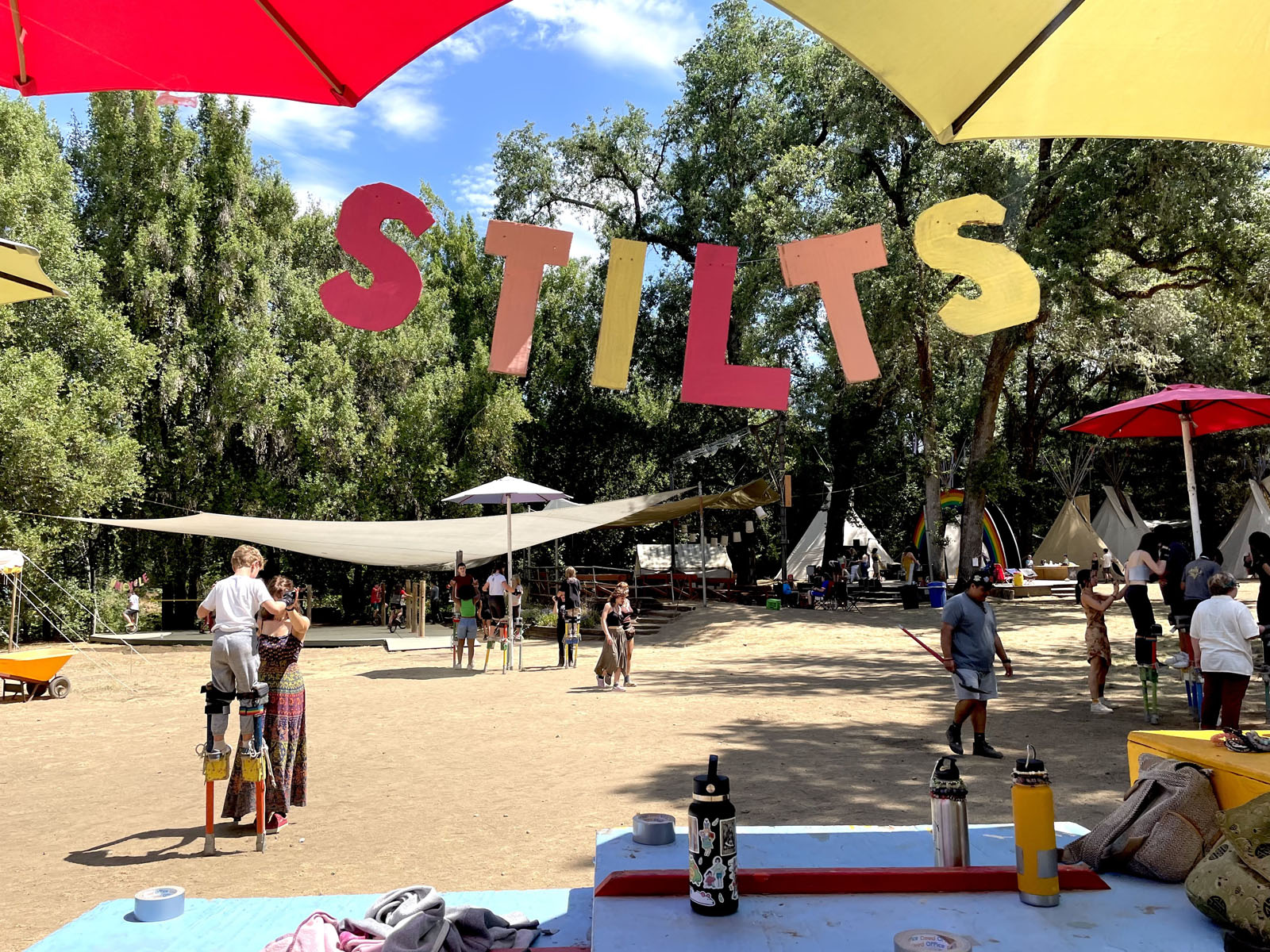
Safety guidelines and camper/staff supervision ratios have been established for all areas of camp including the lake as well as other specialized activities (such as stilts, gymnastics, aerials, unicycle, etc.). All teachers (as well additional staff) monitor classes to ensure camper safety. Specialized activities must always be done with supervision of an Adult Staff member authorized to lead that activity.
In addition to physical care, we have trained Camper Advocates on staff every session. The role of Camper Advocates is to support any high-needs campers and the staff who work with them; Camper Advocates may focus on campers experiencing home sickness, overcoming shyness, navigating conflicts, or struggling to adhere to Camp’s rules and expectations. We also work with licensed social workers to develop policies for camper care and support. Camper Advocates are supervised by and work closely with the Director and Camp’s mental health supervisors to achieve successful and positive camp experiences.
Please note that Camp Winnarainbow does not and cannot provide mental health services or treatment. Campers who start, stop, or change psychiatric medications within 3 months prior to Camp, or who have been hospitalized for mental health treatment within 3 months prior to Camp, or who are actively engaged in self-harm or experiencing an active eating disorder require a level of support and monitoring that Camp Winnarainbow is not able to provide. If you have questions about how your camper’s needs would be supported while at Camp, please call our office (510-525-4304). We have these conversations with many families.
Immunization Requirements
Camp Winnarainbow requires all campers and teen staff to provide proof of the childhood vaccinations currently mandated by the California Department of Public Health for attendance at public schools. We no longer accept refusals based on non-medical reasons (as before, our Medical Director will review requests for medical exemptions on an individual basis). These vaccinations are an important way to protect the children in our care and the entire Camp community from serious diseases, which can spread quickly in close quarters like a summer camp.
Which immunizations are required?
Our requirements are aligned with the California Department of Public Health immunization requirements for K-12th grade, corresponding to your camper’s most recently completed grade.
Which immunizations are recommended?
In addition to required vaccinations, we highly recommend that all campers be up-to-date for immunization against COVID-19 and influenza (flu).
Where can I get my child’s immunization record?
Contact your child’s medical provider or pull their records from California’s Digital Vaccine Record Site. In the absence of complete records, we may also be able to accept titer blood testing. Please reach out to discuss this option.
What if my family does not live in California?
We require immunization consistent with what is required by the California Department of Public Health, even for families and children living outside of California.
Are there additional considerations for children coming from other countries?
Yes, campers coming from any country with a high incidence of tuberculosis, should provide a skin test, blood test or chest x-ray indicating a negative TB result.
Where can I get more information about immunizations?
Information about what is required in California public schools can be found here, and information about California’s approach to immunizations is available here.
COVID-19 Policies
The health and safety of each member of our community is central to our program and critical to providing a fun and immersive experience for all Campers. For the 2026 season, Camp Winnarainbow will highly encourage, but not require, vaccination against COVID-19 (and influenza/flu) for all campers. As in years past, additional mitigation measures for the protection of campers and staff may or may not be announced in the spring. We work carefully with a team of medical experts to manage the risk of transmissible diseases and develop appropriate risk mitigation strategies. Because of our process of continuous review, all COVID-19 policies are subject to change at any time.
Restorative Process
The Camp Winnarainbow community uses restorative community practices to engage staff and campers in healing approaches to conflict and harm. Conflict on any level is inevitable when we work and live together. Camp is a community that strives to include all people from all walks of life, identities, socio-economic status, cultural and racial backgrounds in an equitable way. Restorative practices teach holistic skills to resolve differences and guide us to take responsibility and be accountable for our actions, in relation to our community and environment.
Restorative processes value healing and growth by attending to the needs and wishes of those harmed, and by providing an opportunity for individuals to take responsibility for behavior. All of our staff are trained in conflict mediation and actively work to support all Campers’ needs before challenges might arise. Our framework of Camper support comes from skilled social workers, years of experience working with Campers, detailed staff training, and ACA guidelines.